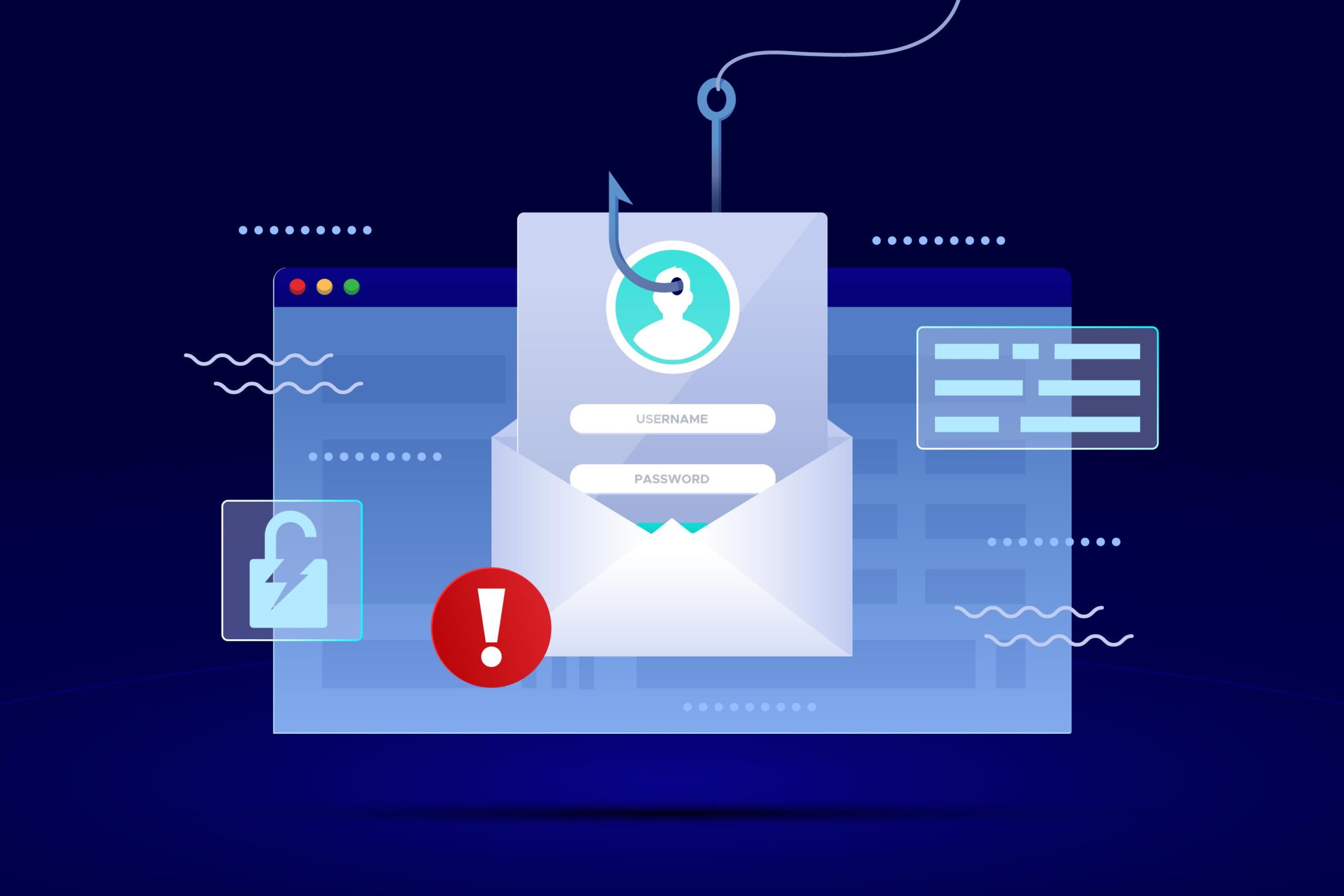
In today’s digital-first workplace, human resources teams are no longer just managing onboarding paperwork, performance reviews, or benefits enrollment. They’re also on the front lines of cybersecurity, whether they realize it or not. HR departments handle some of the most sensitive data in any organization: Social Security numbers, bank account details, salary information, and employee health records. This makes them prime targets for cybercriminals.
Phishing scams, fraudulent attempts to steal sensitive information by posing as a trustworthy entity, are evolving at an alarming rate. And HR professionals, often stretched thin or working within fractional HR companies or through HR outsourcing services, may not always have the cybersecurity training they need to spot these threats.
But here’s the good news: with awareness, preparation, and the right support, your HR function can become a cybersecurity asset rather than a vulnerability. In this post, we’ll walk you through four of the most common phishing scams targeting HR teams today, and give you practical, actionable steps to defend your business.
Why HR is a Prime Target for Phishing Attacks
Before diving into specific scams, it’s important to understand why HR is so vulnerable. Unlike IT or finance departments, HR teams often prioritize empathy, responsiveness, and accessibility, traits that hackers exploit. A well-crafted phishing email that mimics an urgent employee request or a vendor invoice can easily bypass even cautious professionals.
This risk is amplified for organizations that rely on fractional HR companies. While these models offer flexibility and cost savings, they can also introduce complexity in communication channels, data access protocols, and security oversight, especially if cybersecurity isn’t baked into the service agreement from day one.
Now, let’s look at the four most prevalent phishing scams targeting HR right now.
1. The “New Hire” Onboarding Scam
How it works:
A cybercriminal sends an email that appears to come from a senior executive (often the CEO or CFO) requesting that HR urgently process onboarding documents for a “new hire”. The email includes a link to a fake document portal or an attachment containing malware. Once clicked, the attacker gains access to HR systems or installs keylogging software to capture login credentials.
Red flags to watch for:
- The email uses a slightly altered domain (e.g., “[email protected] ” instead of “[email protected] ”)
- Urgent language like “ASAP” or “This cannot wait”
- Requests for W-4s, direct deposit forms, or ID verification outside normal channels
How to defend:
- Implement a strict verification protocol for all new hire requests, even if they appear to come from leadership.
- Use multi-factor authentication (MFA) for all HR platforms.
- Train HR staff to confirm unusual requests via a secondary channel (e.g., a quick phone call).
2. The “Payroll Change” Impersonation
How it works:
An attacker impersonates an employee, often using a spoofed email address that looks nearly identical to the real one, and asks HR to update their direct deposit information. Once the change is processed, the next payroll run sends the employee’s paycheck straight to the hacker’s bank account.
Real-world impact:
This scam has cost companies tens of thousands of dollars in a single incident. Because payroll changes are routine, HR may process the request without suspicion, especially during busy periods like month-end or open enrollment.
Prevention tips:
- Require in-person or video verification for any direct deposit changes.
- Set up automated alerts for payroll modifications.
- Educate employees company-wide: remind them that HR will never ask for sensitive changes via email alone.
3. The Fake Benefits Portal
How it works:
During open enrollment or benefits updates, attackers send mass phishing emails that mimic communications from health insurers, 401(k) providers, or HR software platforms. These messages urge employees (and sometimes HR admins) to “verify your account” or “update your coverage” via a link that leads to a convincing but fraudulent login page.
Once credentials are entered, the attacker harvests them to access real benefits portals, where they can change personal details, redirect reimbursements, or even file fraudulent insurance claims.
What to do:
- Partner only with trusted benefits vendors that use secure, branded communication channels.
- Never include login links in mass emails, instead, direct users to type the official URL manually.
- Conduct simulated phishing drills with your team, especially before open enrollment season.
4. The Vendor Invoice Scam (Targeting HR Tech)
How it works:
Many HR departments manage subscriptions to HRIS platforms, background check services, or learning management systems. Hackers research these vendors and send fake invoices or “contract renewal” notices that look legitimate. The payment link or attached PDF contains malware or redirects funds to the attacker’s account.
This scam is particularly dangerous for companies using HR outsourcing services, where multiple vendors may be involved and financial oversight is decentralized.
Protective measures:
- Maintain a centralized, up-to-date list of all HR-related vendors and contacts.
- Require dual approval for any vendor payment over a certain threshold.
- Verify unexpected invoices by calling the vendor directly using a known phone number, not one listed in the suspicious email.
Building a Cyber-Secure HR Function Even on a Budget
You don’t need a massive IT department to protect your HR data. Whether you’re a small business working with a fractional HR company or a midsize firm using comprehensive HR outsourcing services, cybersecurity starts with culture and process.
Here are three foundational steps every organization should take:
- Train, don’t just inform. One-time cybersecurity training isn’t enough. Conduct quarterly refreshers with real-world examples and role-playing scenarios.
- Limit data access. Follow the principle of least privilege, HR staff should only access the data they absolutely need to do their jobs.
- Audit your partners. If you work with fractional HR companies or HR outsourcing services, ask about their cybersecurity policies. Do they use encrypted communication? Are their staff trained in phishing detection? What’s their incident response plan?
Remember: cybersecurity isn’t just an IT issue, it’s a people issue. And HR sits at the heart of your people strategy.
Ready to Strengthen Your HR Cybersecurity Posture?
Phishing scams won’t disappear overnight. But with proactive planning, clear protocols, and the right support, your HR function can become a resilient line of defense, not a weak link.
If you’re leveraging fractional HR companies or considering HR outsourcing services, make sure cybersecurity is part of the conversation from day one. At Exceptional HR Solutions, we don’t just help you manage your people, we help protect them, and your business, from emerging digital threats.
Don’t wait for a breach to take action. Reach out to our team today for a free HR cybersecurity assessment. Let’s build a safer, smarter, and more secure workplace, together.